
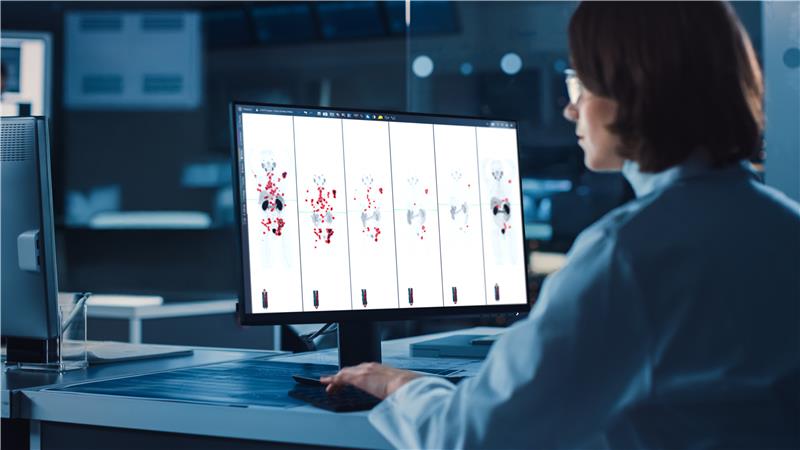
World Theranostics Day, observed annually on March 31, commemorates the first therapeutic use of radioiodine in 1941. The global healthcare community recognizes the remarkable progress of theranostics—an approach that combines diagnostic imaging and targeted therapy to deliver precision treatment. From the perspective of GE HealthCare, theranostics represents not only the future of oncology but a fundamental shift toward deeply personalized, data driven care.
Theranostics merges two distinct areas: identifying disease at the molecular level and treating it using therapies directed at the same biological target. This “see it, treat it” model empowers clinicians to tailor interventions to each patient’s tumor biology, potentially improving outcomes while reducing side effects. As the burden of cancer continues to rise with more than 10 million new cases diagnosed each year worldwide, cancer remains one of the most urgent global health concerns[i], meaning the promise of theranostics has never been more urgent.
The human side of theranostics
Theranostics represents a powerful shift toward more personalized cancer care—one that starts and ends with the patient. By pairing molecular imaging with targeted radiopharmaceutical therapy, theranostics enables clinicians to evaluate how a treatment may work before delivering it, potentially sparing patients from unnecessary therapies and side effects. For many individuals facing advanced or hard-to-treat cancers, this approach offers more than clinical precision—it offers clarity, confidence, and hope. When patients know their treatment is tailored to the specific biology of their disease, they can gain a strong sense of confidence at a time that can otherwise feel uncertain and overwhelming.
At the same time, realizing the full promise of theranostics is dependent on continued innovation across the healthcare ecosystem. As new radioligand therapies and diagnostic targets emerge, providers must keep pace with evolving evidence, referral pathways, and infrastructure needs to ensure equitable access for patients. Innovation is not just about developing new treatments; it is also about improving awareness, expanding specialty care capacity, and designing workflows that make these advanced therapies less complicated to deliver. By investing in education, technology, and collaboration, the medical community can help ensure theranostics becomes not an exception, but a standard option—bringing more personalized, effective care to more patients, sooner in their cancer journey.
Read the full story on the human side of theranostics here.
Synergizing theranostics with radiation therapy
As cancer care continues to evolve, there is an increasing need for highly personalized treatment approaches—particularly for patients living with advanced or metastatic disease. Theranostics is helping lead this paradigm shift by combining molecular imaging and targeted radioligand therapy to more selectively identify and treat cancer cells, while aiming to spare healthy tissue. At the same time, external beam radiation therapy remains a critical tool for local tumor control. Together, these approaches reflect a growing recognition that personalization is not optional—it is fundamental to improving outcomes, quality of life, and confidence in care.
By leveraging the strengths of both internal and external radiation, care teams are empowered to address cancer at multiple levels, from localized disease to widespread metastases, while optimizing dosimetry and treatment sequencing. At GE HealthCare, we are committed to advancing innovation across this multimodal landscape—supporting clinicians with precision imaging, therapy planning, and connected workflows—to help turn the promise of combination therapies into more meaningful outcomes for patients worldwide.
Read more from Synergizing Theranostics with Radiation Therapy here.
Stories of hope and innovation in cancer care
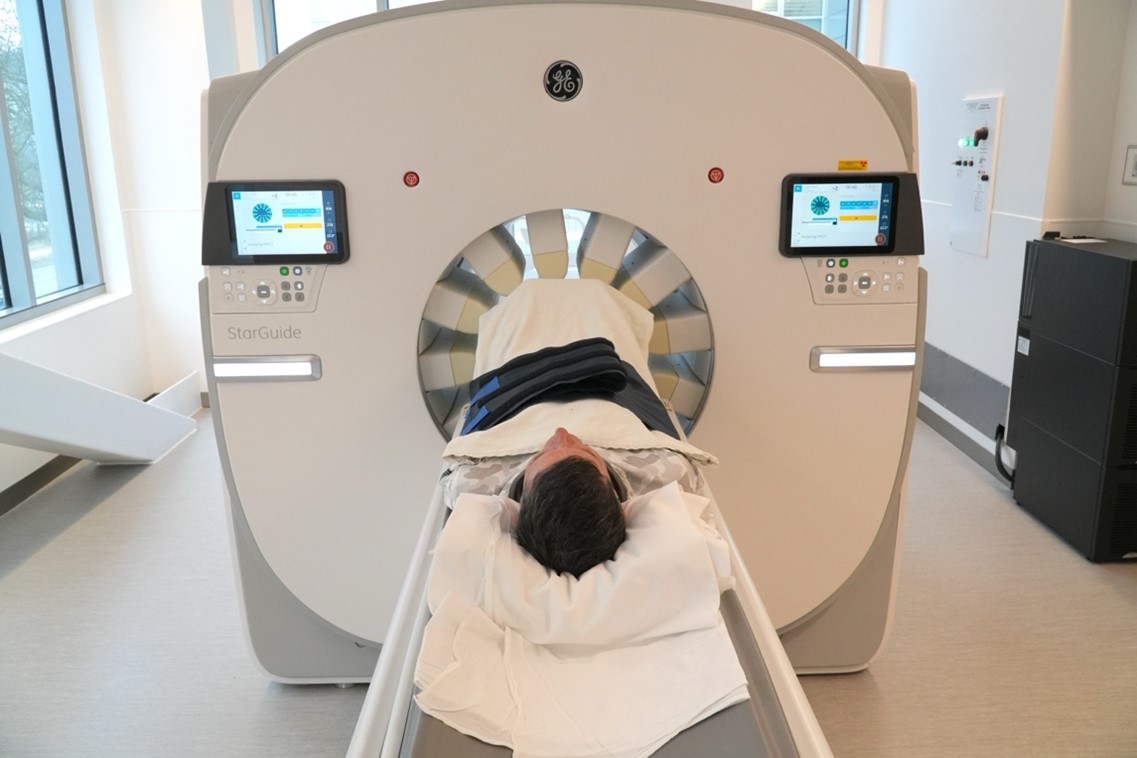
Theranostics is redefining what hope looks like for people facing cancer. The real impact of this evolution is best seen through patient stories, where advanced “see and treat” strategies have helped extend and improve quality of life, even after other treatment options were exhausted. These outcomes reflect more than technological progress; they represent renewed confidence for patients and families navigating complex cancer journeys. At GE HealthCare, we see theranostics as a cornerstone of precision oncology—one that brings science and compassion together to help transform care when it matters most.
As theranostics continues to evolve, digital technologies and AI are playing a critical role in scaling its promise for the future. Advanced imaging systems, intelligent software, and datadriven workflows help clinicians extract deeper insights, monitor therapy response more accurately, and make confident, timely decisions across the care pathway. By integrating AI-enabled tools into molecular imaging and therapy planning, healthcare teams can reduce variability, streamline operations, and focus more fully on the patient experience. Continuous innovation in digital and AI helps accelerate the accessibility of theranostics, helping enable a connected, impactful standard of care. Through these innovations, GE HealthCare remains committed to advancing personalized medicine and helping deliver a future where more patients benefit from targeted therapies designed around them.
Read more stories of hope and innovation here.
Bridging the gap: Nuclear oncology in community cancer programs
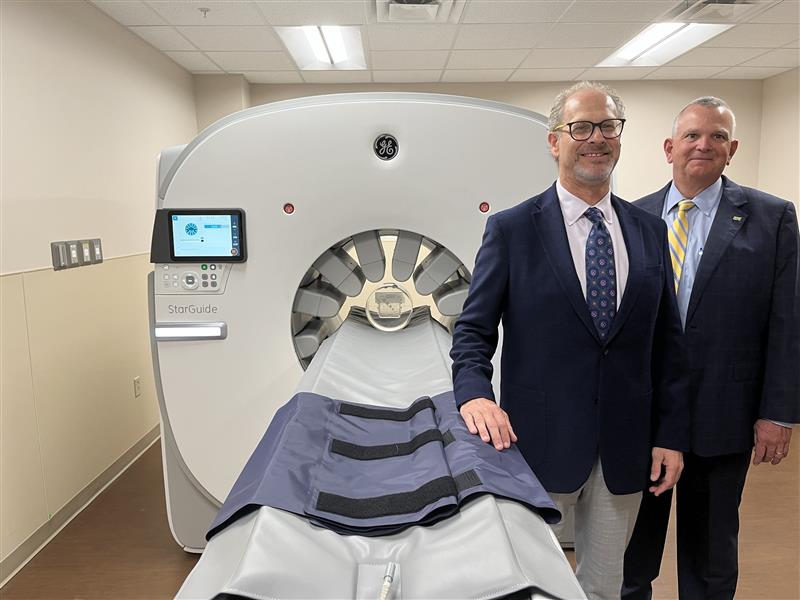
Willis Knighton Cancer Center’s launch of its Nuclear Oncology Program in 2025 is a powerful example of how advanced, personalized cancer care can thrive within a community setting. While major academic centers often pioneer innovation, most cancer patients in the U.S. rely on regional programs for care close to home. Integrating GE HealthCare’s theranostics-enabling technologies—including the StarGuide SPECT/CT system—Willis Knighton is expanding access to precision diagnostic and therapeutic capabilities that were once available primarily in large academic networks. This investment underscores a growing movement to ensure that radioligand therapies and imaging innovations are accessible to patients where they live, not only where the biggest institutions are located.
With its program, Willis Knighton offers both radioligand therapy and particle therapy, positioning it at the forefront of next‑generation oncology. As radiotheranostics rapidly evolves, community programs like that at Willis Knighton demonstrate how health systems can bring these capabilities directly to local patients. Supported by GE HealthCare’s theranostics portfolio and guided by the legacy of pioneers, this signals a future where advanced, personalized cancer care is not limited by geography, and is designed to serve every community with hope, accuracy, and compassion.
Read more on nuclear oncology in community cancer programs here.
Innovating to get clinicians future ready
As theranostics accelerates, GE HealthCare remains committed to enabling clinicians to deliver the next generation of precision care. With solutions spanning diagnostics, radiopharmacy, imaging, AI powered software, workflow orchestration, and data driven clinical support, GE HealthCare is helping healthcare systems prepare for the rising demand and complexity of theranostic therapies.
From a commitment to improving access and workflow efficiency to scaling advanced imaging and treatment monitoring tools, GE HealthCare continues to work toward a future where personalized theranostic care is accessible, efficient, and transformative, aiming to ensure that clinicians worldwide are ready to meet the needs of tomorrow’s patients.
To learn more about GE HealthCare’s theranostic solutions, visit gehealthcare.com.
[i] World Health Organization. Cancer. World Health Organization. https://www.who.int./news-room/fact-sheets/detail/cancer. Accessed March 23, 2026.
