
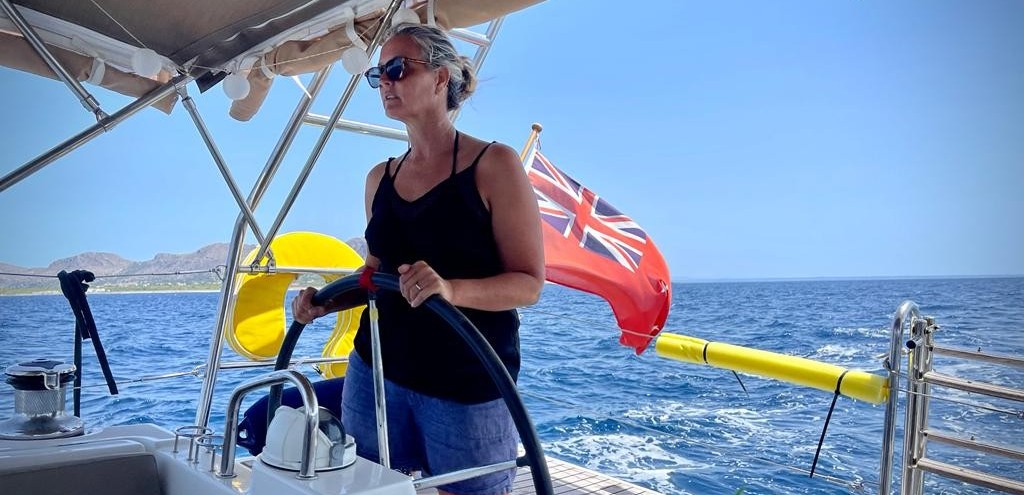
Anna Shaw, a healthcare executive from New Zealand, had just embarked on a long-awaited sailing journey with family and friends—a year-long break from her demanding role in healthcare. But several months into the voyage, while preparing to cross the Atlantic from the Canary Islands, Anna discovered a lump in her breast.
Despite having received a clear mammogram before departure, Anna’s instincts and experience told her something was wrong. She sought care immediately, undergoing an ultrasound at a local clinic in the Canary Islands. The results were concerning. Anna and the doctor agreed they had to act quickly and that a biopsy was needed straight away. Within hours, she coordinated with her medical team back home, leveraging her professional network to secure a surgical consult. Working in healthcare, Anna already knew the surgeon she wanted to treat her and was fortunate enough to schedule in an appointment with this busy surgeon.
Anna and her family said goodbye to all of their friends, packed their boat down, gave away all the food they’d bought for the next month at sea and flew back home. Anna’s swift return to New Zealand marked the beginning of a new journey—this time through breast cancer. Within days, she underwent advanced imaging including a mammogram and MRI, another biopsy and surgery. Complications required additional procedures, followed by two rounds of chemotherapy. The second regimen was physically and emotionally taxing, but Anna remained committed to staying engaged at work and focused on recovery.
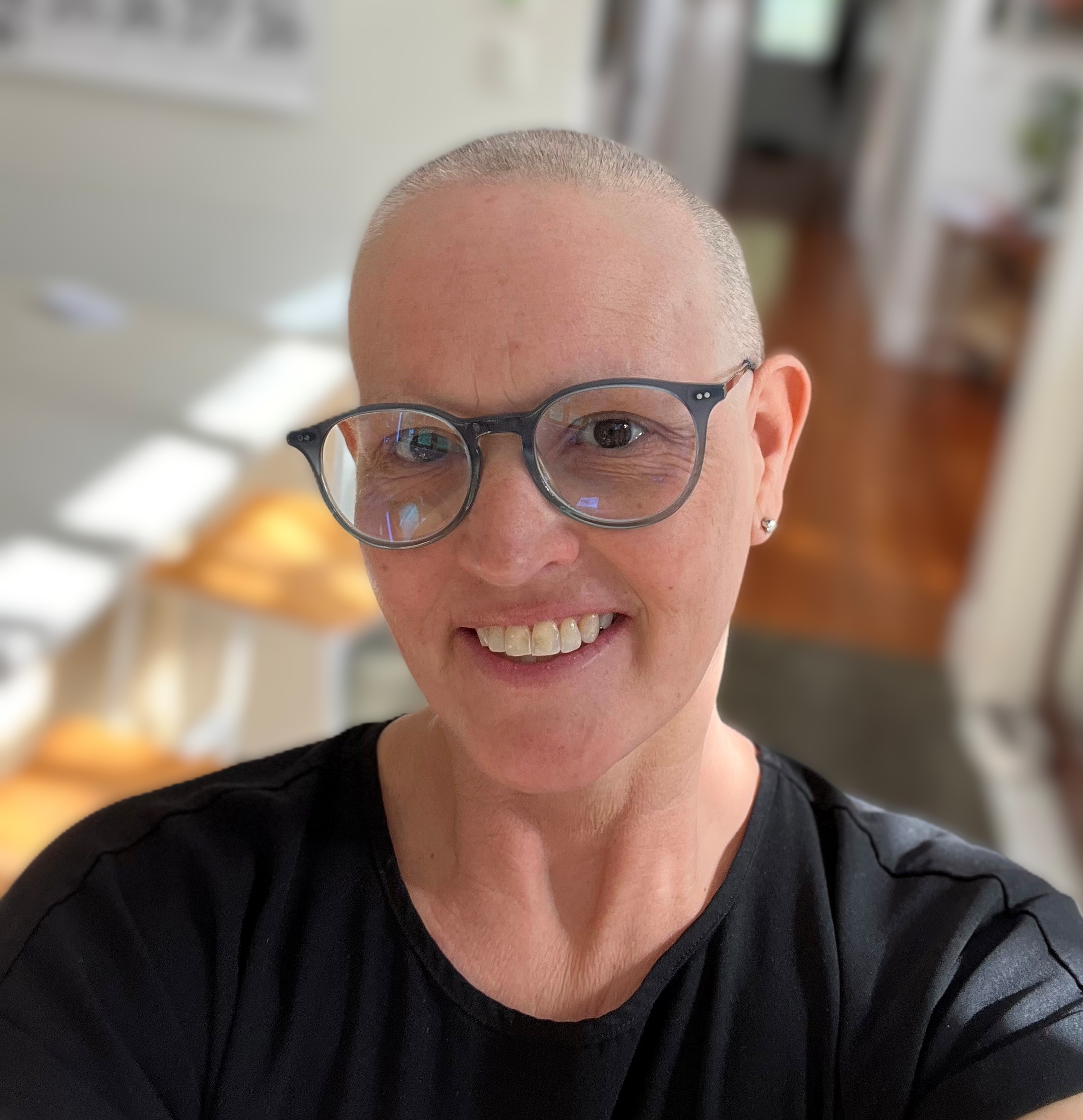
Today, Anna is cancer-free and continuing maintenance treatment. Her story underscores the power of early detection, rapid access to care, and informed decision-making. As someone deeply embedded in healthcare, Anna credits her outcome to the speed of intervention and her familiarity with the care pathway.
But her experience also revealed opportunities for improvement. Anna noted how overwhelming clinical conversations can be for patients—especially when receiving a diagnosis. She advocates for pacing information delivery and tailoring communication to help patients absorb and process complex medical details.
“I’ve seen how patients tune out during critical moments. I did it myself,” Anna reflects. “Even with my background, I found it hard to stay present. That’s something we can improve—by meeting patients where they are emotionally and cognitively.”
Anna’s journey is a reminder of the importance of patient-centered care—where technology, clinical expertise, and empathy converge to deliver better outcomes. She now champions prevention and encourages women to self-examine and screen regularly.
Her story is not just one of resilience—it’s a call to action for healthcare systems to continue evolving toward precision, compassion, and accessibility.
https://www.gehealthcare.com/specialties/breast-care
