• Change country/language

    Looks like you’re in {} — you’re on the {} site.

    Cancel

    Country and language selected

    You are being redirected to the {} site. Products and services availability vary by country. Do you wish to continue?

    Continue
    Cancel

Invenia Abus Breast Imaging Ultrasound

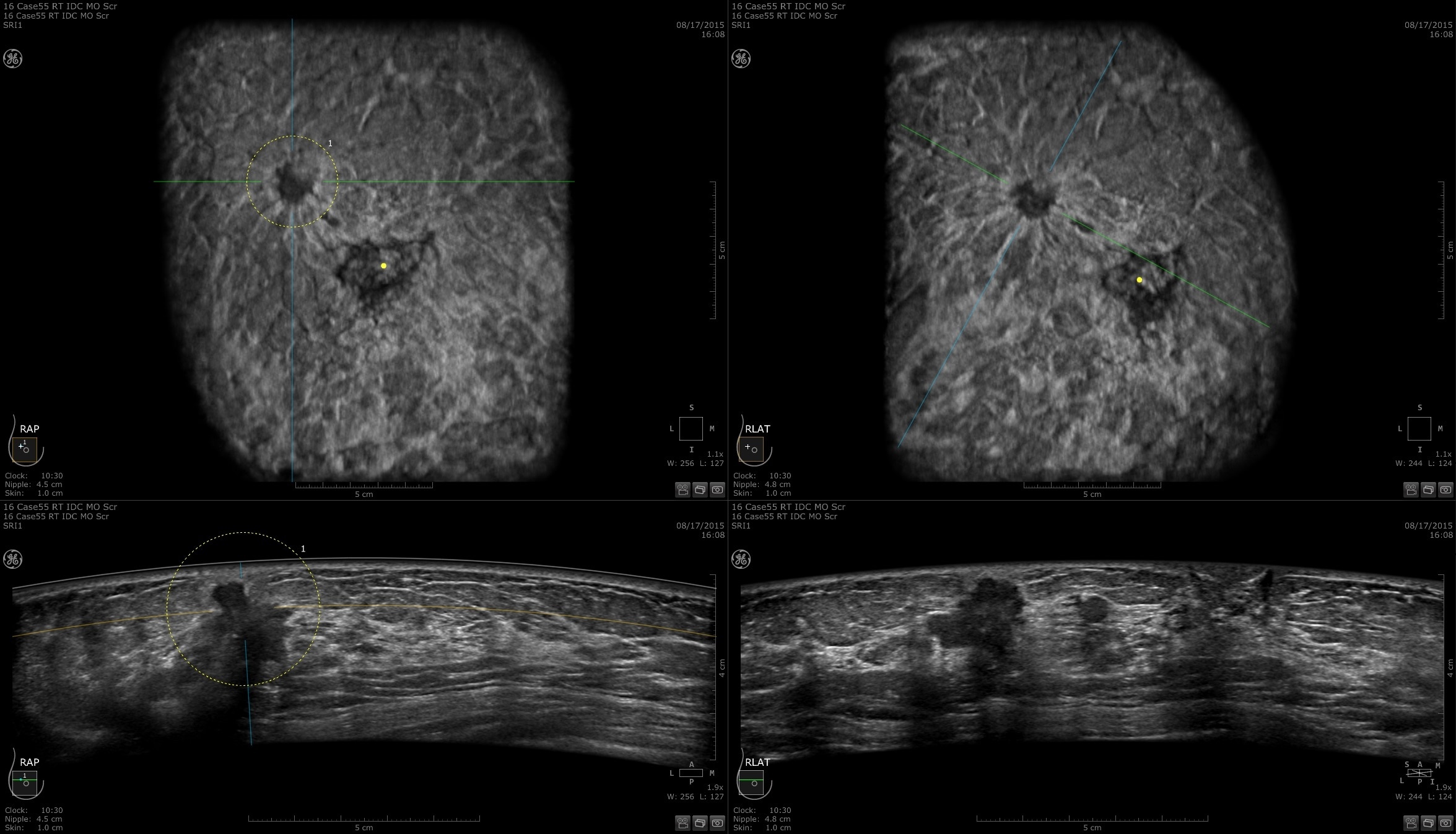
Invenia ABUS 2.0, is the first FDA-approved ultrasound supplemental screening technology specifically designed for detecting cancer in dense breast tissue.

18105GE-19895_PDP-product-hero_1920x810

At a Glance

Designed for screening

Improve breast cancer detection by 35.7 percent over mammography alone1

Remarkable image quality

Look differently at dense breast tissue with advanced interpretation tools

AI Assistant

Helps to detect and characterize breast lesions for clinical confidence
Invenia ABUS 2.0 transforms breast care from reactive to proactive, helping to detect breast cancers in dense tissue

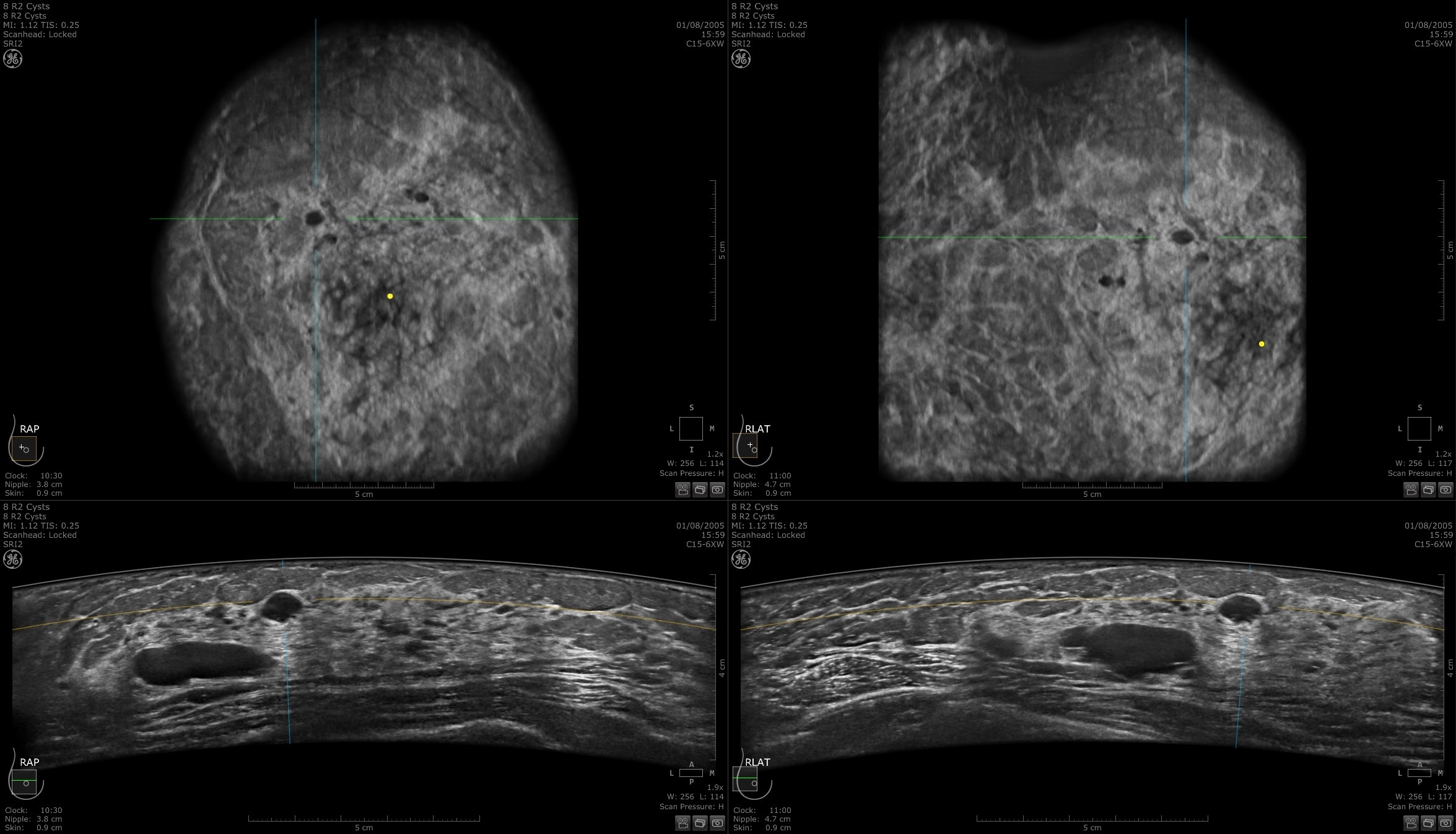
Approximately 40% of women have dense breasts2, one of the strongest common risk factors for developing breast cancer3. Clinical evidence is growing about the effectiveness of ultrasound for finding small, node-negative, invasive cancers missed by mammography4. Invenia ABUS 2.0 supplemental imaging is designed for the screening environment, specifically for dense breast imaging.

CARE FOR DENSE BREASTS
Personalized breast care with Invenia ABUS 2.0 for early detection, confident diagnosis, and treatment along the breast care pathway.
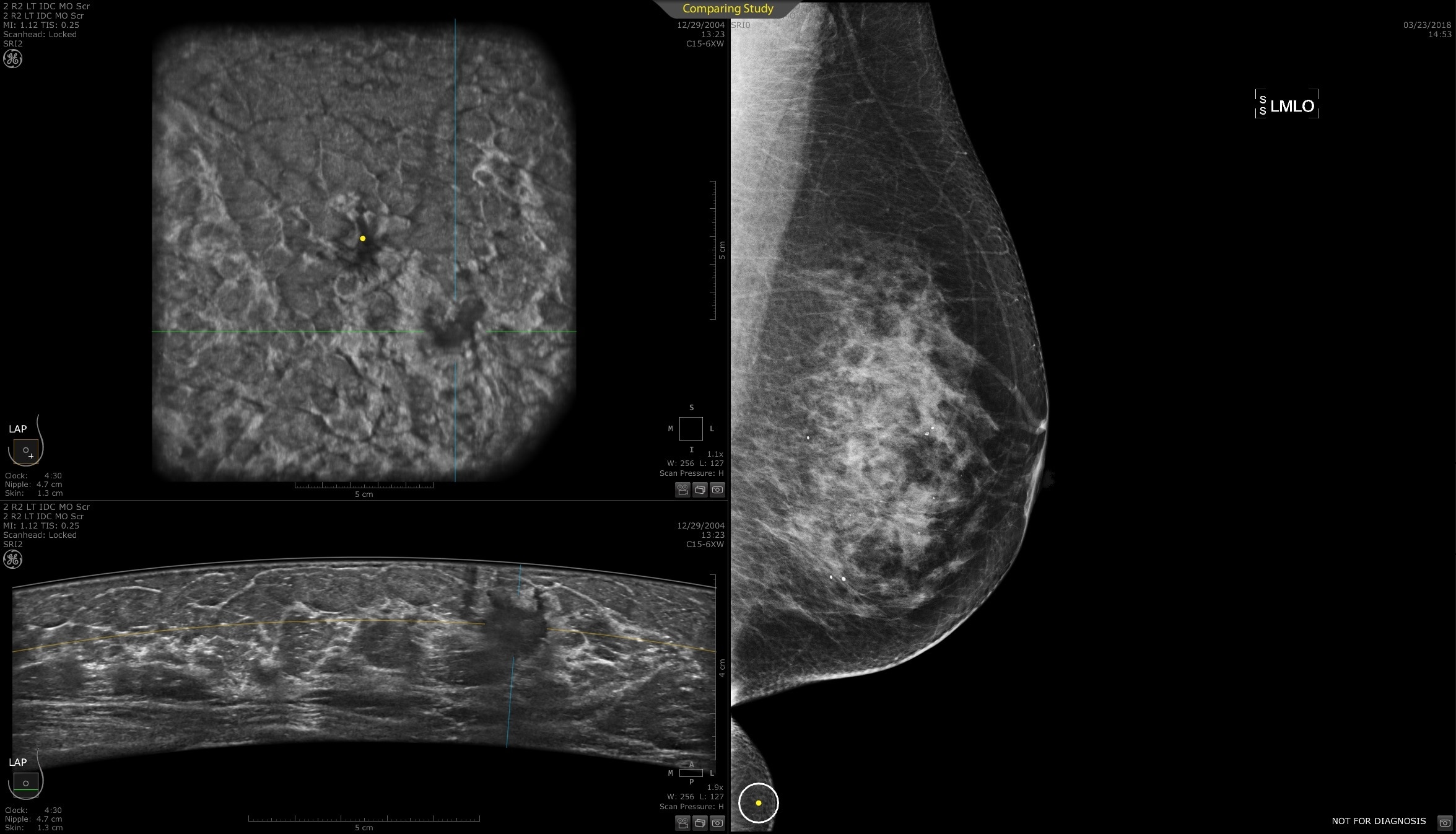
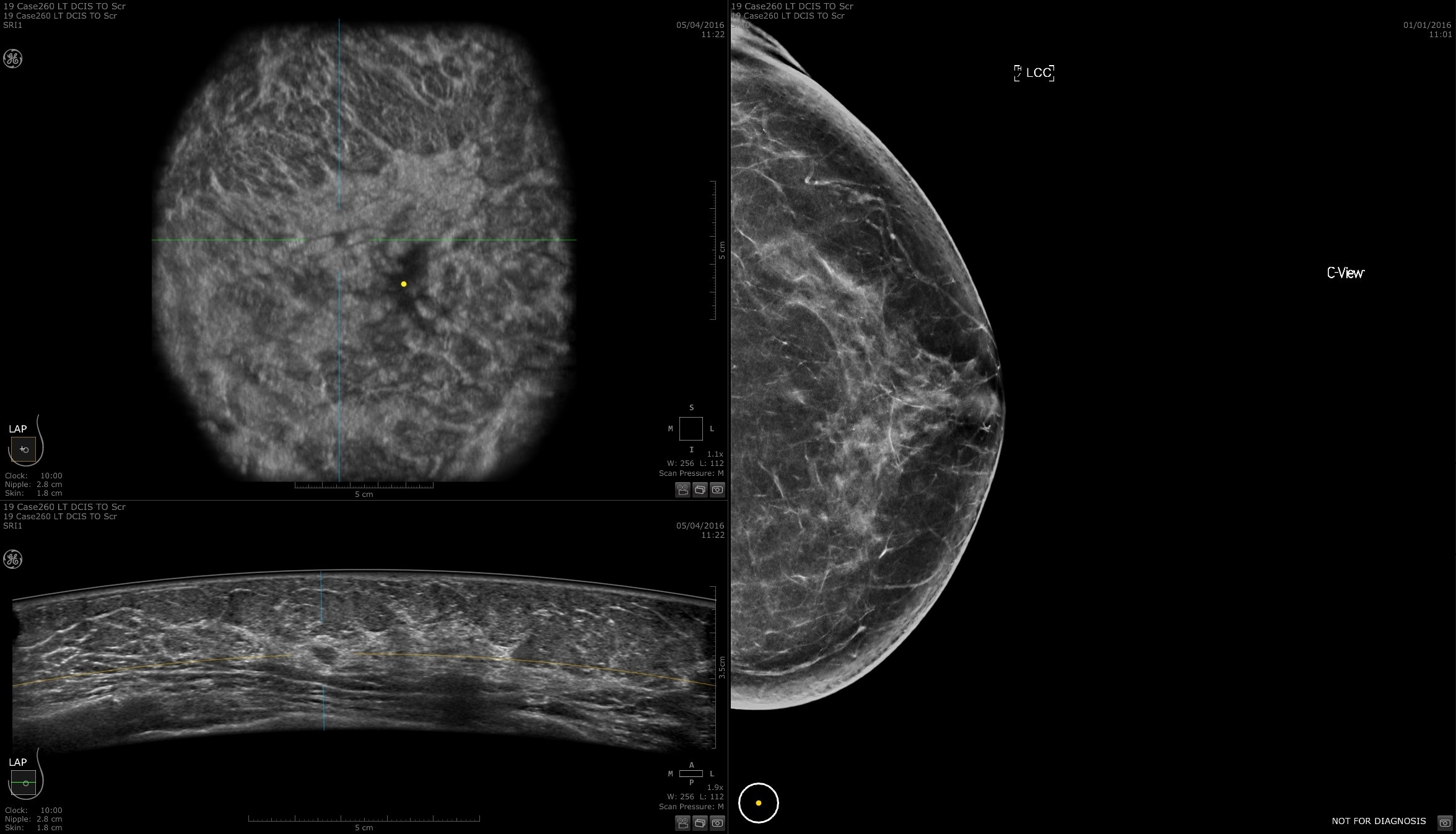
Dense breast tissue and cancer appear white on a mammogram, potentially camouflaging small cancers. Invenia ABUS 2.0, is specifically designed to help clinicians find cancers that may be hidden on mammography1,2.
SCREENING
The power of early cancer detection
Supplemental screening with Invenia ABUS 2.0 transforms breast care from reactive to proactive. When used in addition to mammography, Invenia ABUS 2.0 can improve breast cancer detection by 55 percent over mammography alone5. Women whose breast cancer is detected at an early stage have a 90% or higher survival rate6.
Gettylmages-804416182_pdp-feature-hero-template_1650x1100
DIAGNOSIS & STAGING
Lesion characterization for confident staging in dense breasts
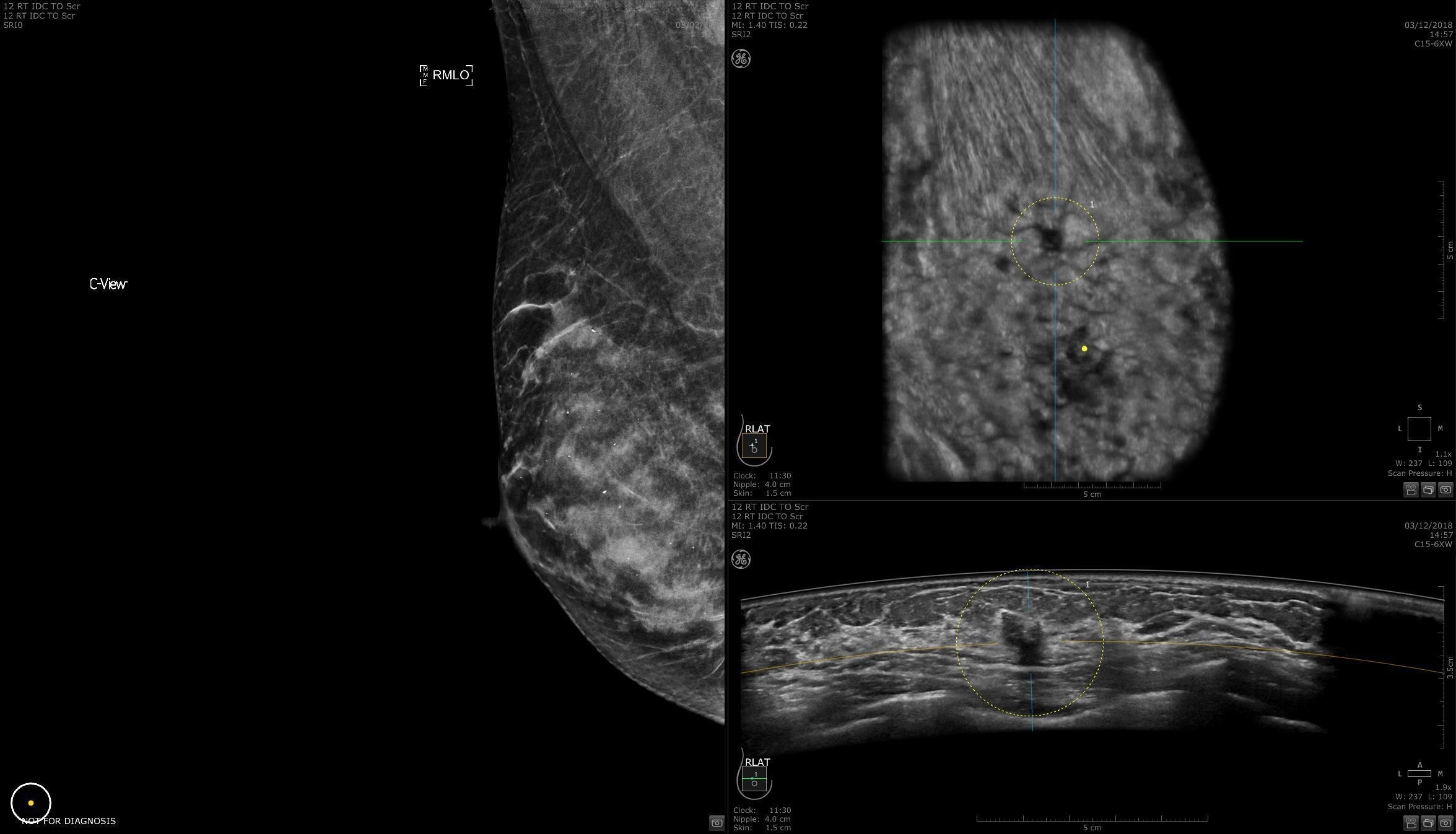
Invenia ABUS 2.0 uses the latest ultrasound innovations and AI based solutions to help improve precise diagnosis and elevate clinical confidence.
QViewCADLayout2_pdp-feature-hero-template_1650x1100
TREATMENT
Smart surgical planning
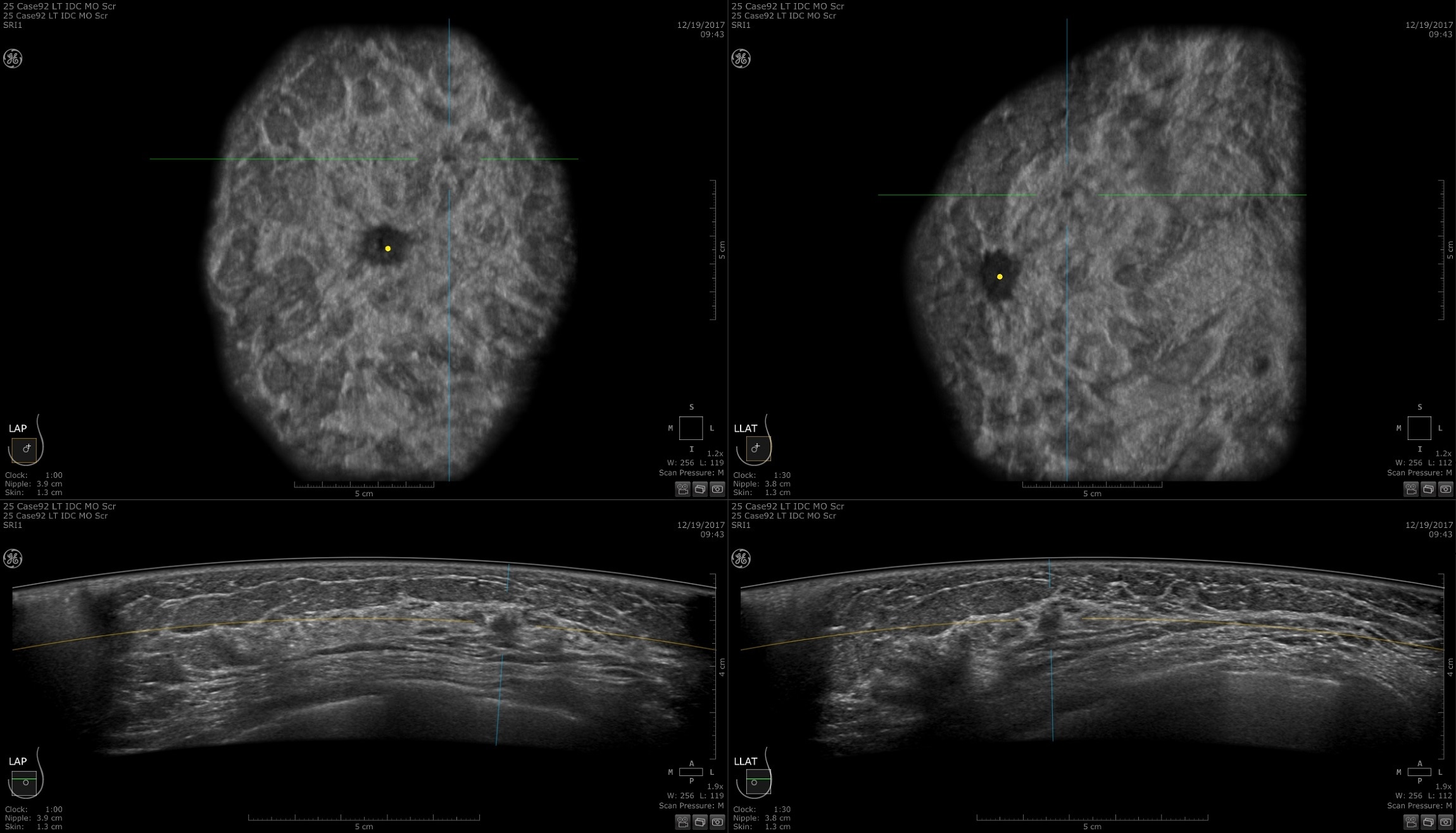
Invenia ABUS 2.0 provides a full view of the breast, depicting the extent of the lesion, multiplicity and potential stromal involvement, helping to achieve a better surgical approach.
18105GE-20406_pdp-feature-hero-template_1650x1100
FOLLOW UP
Easy monitoring of treatment progress
Invenia ABUS 2.0 uses patient friendly imaging to help monitor treatment progress with the goal of avoiding complications and risk of cancer recurrence. Features such as auto prior function provide a standardized comparison with previous findings.
18105GE-20174_pdp-feature-hero-template_1650x1100
ACCESS
Bring the power of ABUS to your patients
The Mobile Invenia™ ABUS 2.0 solution allows you to bring this extraordinary patient care to more places with use of the Mobile ABUS Fixation Bracket*. See additional patients by sharing your system with several clinic locations. Or improve access to personalized care with a dedicated mobile screening coach.
TDM02009_Feature-Hero_1650x1100
Invenia ABUS USCAN Website_New Module_1280x1280
Transforming breast care

Make a difference, not a diagnosis.

The new FDA mandate highlights the importance of supplemental image screening (like Invenia ABUS 2.0) in women with dense breasts and equips patients to make informed decisions with their provider about their breast health. In this new white paper, Dr. Raymond Kohne, Chief of Imaging at State of Franklin, tells his emotional story on why he has implemented a personalized ABUS program for dense breasts and his motivation in working hard to get the dense breast legislation passed in his home state of Tennessee to help his achieve his goal of “making a difference, not a diagnosis."

REFERENCES
  1. Tagliafico, Massimo Calabrese et al, Journal of Clinical Oncology 2016 34:16, 1882-1888.
  2. Pisano et al. NEJM 2005; 353: 1773.
  3. Engmann NJ, et al, JAMA Oncol. 2017;3(9):1228-1236
  4. Mandelson et al. J Natl Cancer Inst 2000; 92:1081–1087.
  5. FDA PMA P110006 summary of safety and effectiveness.
  6. https://www.who.int/news-room/fact-sheets/detail/breast-cancer

*The Invenia ABUS 2.0 device is not designed for use in a mobile environment unless it is installed using the Mobile ABUS fixation system.

Have a question? We would love to hear from you.

Have a question? We would love to hear from you.

Thank you!

We received your request for assistance.

A GE Healthcare specialist will be reaching out shortly.

Something went wrong

We will check and get back.

JB07311XE April 2024